


Viscosity is a critical rheological property of gelatin that directly dictates its functionality across pharmaceutical, food, and industrial applications. However, during processing and storage, gelatin...

The Formation Principle of Transparency Gelatin. Transparency refers to the ability of a dissolved gelatin solution or gel to transmit light, and it is an important indicator of gelatin purity and quality....
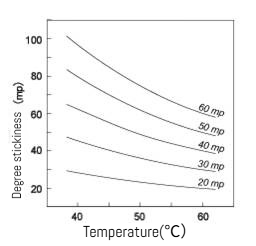
The decrease in gelatin viscosity refers to the phenomenon where the viscosity of a gelatin solution diminishes under specific conditions, such as temperature, pH, shear force, time, or chemical influence....
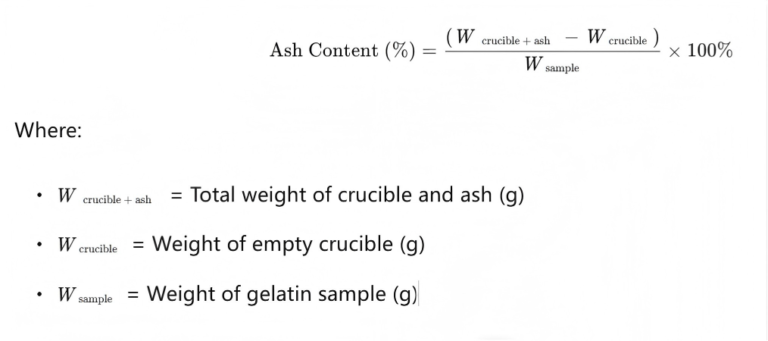
The primary method for detecting ash content in gelatin is incineration, which involves high-temperature combustion to decompose organic matter completely, leaving inorganic residues as ash. The detailed...

Ash content in gelatin refers to the mass percentage of inorganic residues—primarily inorganic salts and oxides—that remain after the gelatin has been completely combusted at high temperatures (typically...
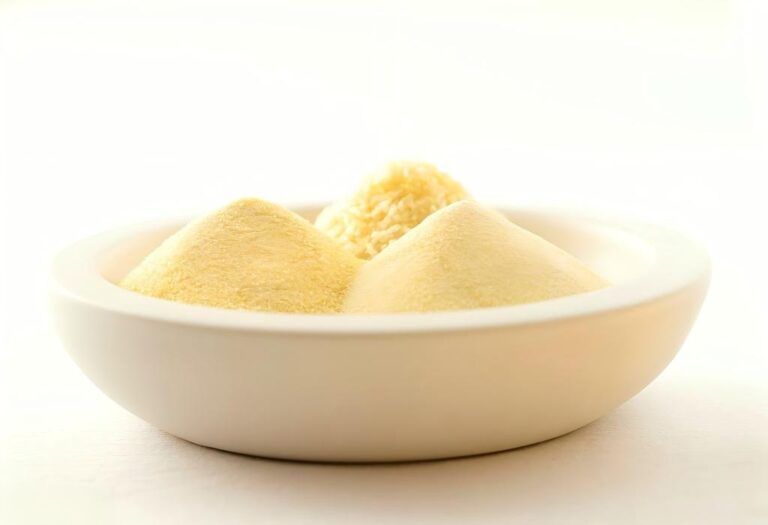
Gelatin ash refers to the mass percentage of inorganic residue remaining after complete combustion of a gelatin sample at high temperature (typically 550-600°C). These inorganic residues primarily originate...
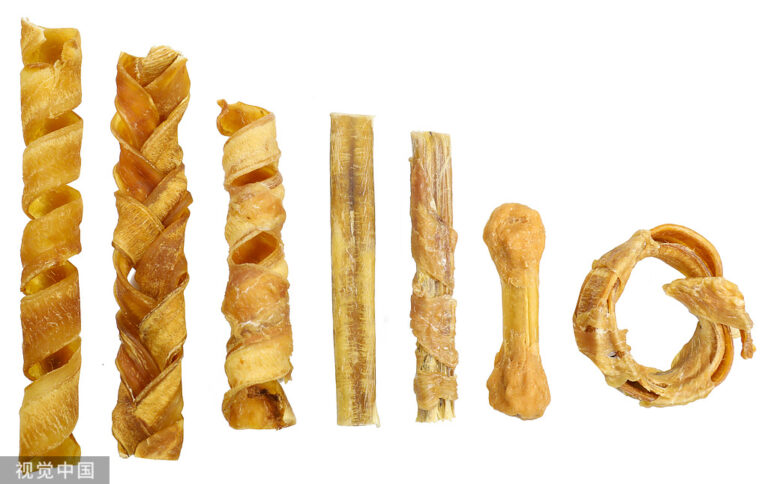
What is Gelatin Bloom Strength?
Gelatin Bloom value (or gel strength) is the core metric for measuring the gelling performance of gelatin, expressed in grams Bloom (g Bloom). It precisely reflects...

In the gelatin industry, the Bloom value (gel strength) stands as the most core physical indicator for assessing product quality. It not only defines the firmness of the gel formed by gelatin but also...

In the food processing, pharmaceutical capsule manufacturing, and photosensitive material industries, viscosity is one of the most critical physical indicators for assessing the quality of gelatin. Understanding...