

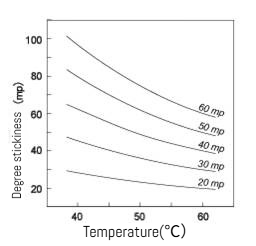
The decrease in gelatin viscosity refers to the phenomenon where the viscosity of a gelatin solution diminishes under specific conditions, such as temperature, pH, shear force, time, or chemical influence....
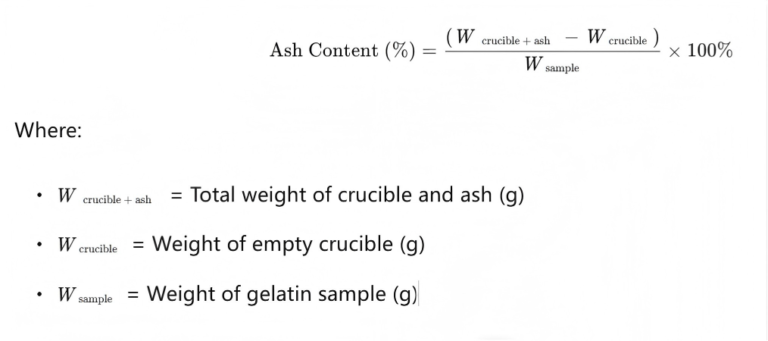
The primary method for detecting ash content in gelatin is incineration, which involves high-temperature combustion to decompose organic matter completely, leaving inorganic residues as ash. The detailed...

Ash content in gelatin refers to the mass percentage of inorganic residues—primarily inorganic salts and oxides—that remain after the gelatin has been completely combusted at high temperatures (typically...
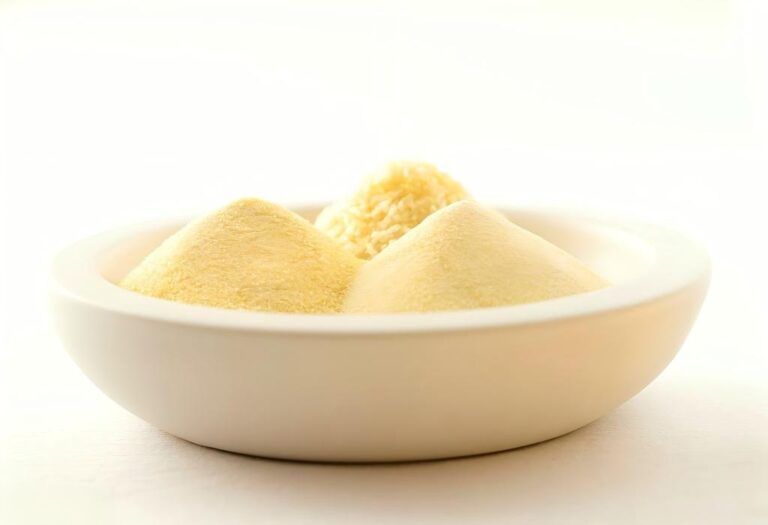
Gelatin ash refers to the mass percentage of inorganic residue remaining after complete combustion of a gelatin sample at high temperature (typically 550-600°C). These inorganic residues primarily originate...
What is Gelatin Bloom Strength?
Gelatin Bloom value (or gel strength) is the core metric for measuring the gelling performance of gelatin, expressed in grams Bloom (g Bloom). It precisely reflects...

In the gelatin industry, the Bloom value (gel strength) stands as the most core physical indicator for assessing product quality. It not only defines the firmness of the gel formed by gelatin but also...
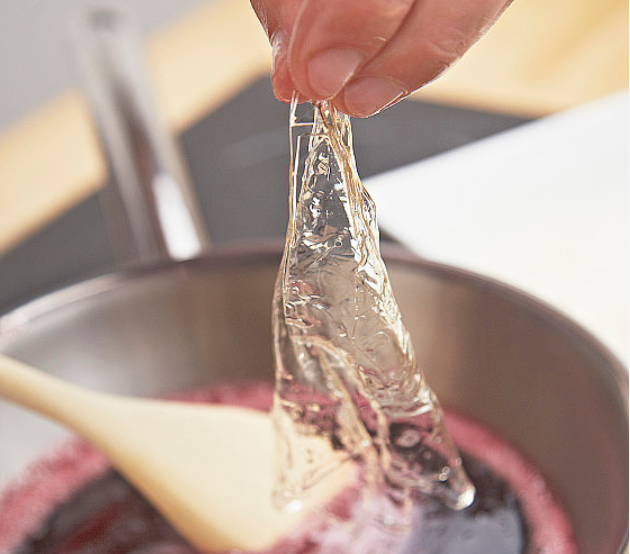
In the food processing, pharmaceutical capsule manufacturing, and photosensitive material industries, viscosity is one of the most critical physical indicators for assessing the quality of gelatin. Understanding...

In numerous industries like food, pharmaceuticals, and photography, gelatin is an extremely common and vital raw material. Among its various characteristics, gelatin viscosity stands out as a crucial one....
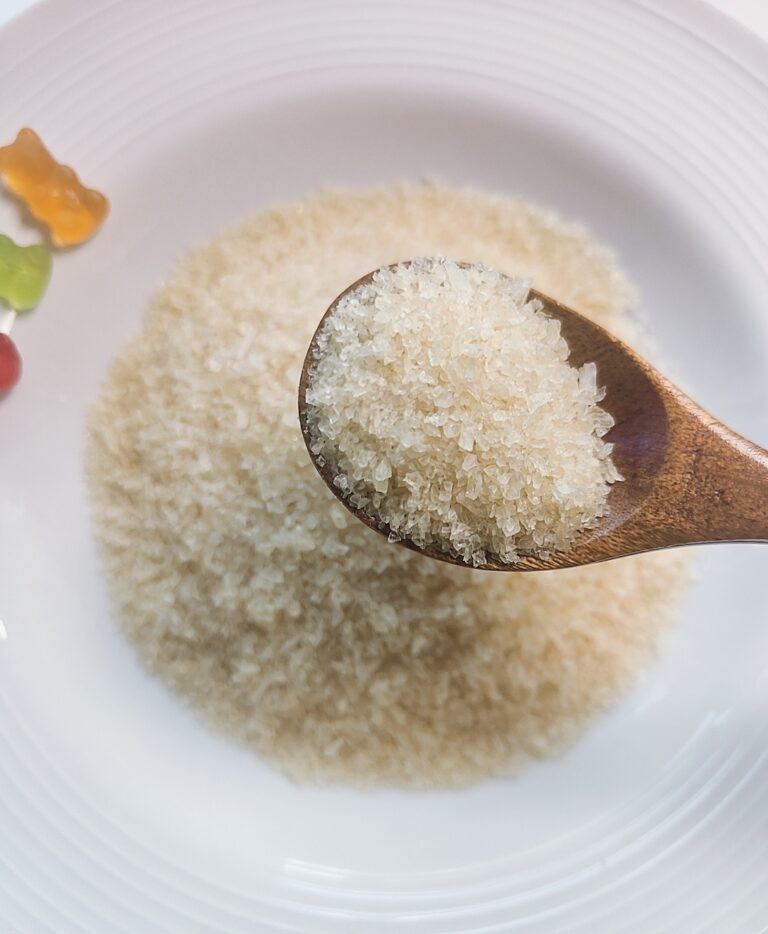
The physical properties of gelatin can help us differentiate between different grades of gelatin, assess its quality, and ultimately help us choose the most suitable gelatin specifications for our needs....