

I. Commonly Used Methods for Testing the Transparency of Gelatin
In gelatin quality control, transparency is a direct indicator of purity. Commonly used testing methods in clinical and industrial production include the following three:
1. Visual Observation Method (Preliminary Screening)
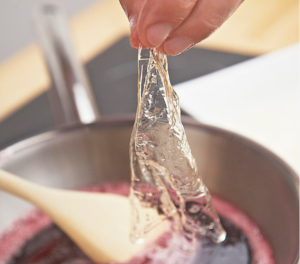
- Procedure: Prepare a 5%-10% gelatin solution and pour it into a colorless, flat-bottomed glass tube.
- Judgment: Under a standard white background, using a black line on white paper as a reference, observe the degree of transparency with the naked eye (e.g., “transparent,” “slightly turbid,” “cloudy”).
- Evaluation: Simple and quick, suitable for rapid initial screening in production, but susceptible to human error and highly subjective.
2. Spectrophotometry (Objective Quantification)
- Procedure: Measure the transmittance (T%) of the gelatin solution at a specific wavelength (e.g., 550nm or 600nm) using a spectrophotometer.
- Indicator: The higher the transmittance value, the better the transparency. For example, the transmittance of high-quality edible gelatin is typically required to be ≥85%.
- Evaluation: The results are objective, accurate, and quantifiable, making it a standard method for laboratory testing.
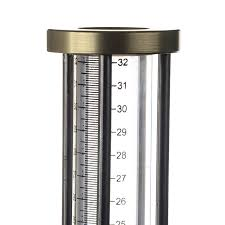
3. Turbidimeter Method (Micro-monitoring)
- Operation: The intensity of scattered light from a solution is measured using a turbidimeter, indirectly reflecting its transparency.
- Application: Specifically used to detect solutions containing small insoluble particles (such as incompletely dissolved gelatin), providing valuable reference for controlling process details.
Industry Standards for Gelatin Transparency
Different application areas have clearly defined classifications for gelatin transparency requirements:
- Food-grade gelatin: Referencing national standards (e.g., GB 6783-2013), the solution must be clear and transparent, with no visible suspended matter.
- Pharmaceutical-grade gelatin: Referencing international pharmacopoeias (e.g., USP/EP), the requirements for transparency are more stringent. In addition to conventional transmittance, it must pass rigorous microbial limits and insoluble particle testing to ensure the safety and stability of the drug.
Conclusion
Transparency is not only a reflection of the physical properties of gelatin but also evidence of the rigor of the production process. Through scientific testing methods, we ensure that every batch of gelatin meets the professional needs of our global customers.
If you would like to learn more about the molecular properties or other physicochemical indicators of gelatin, please click here to explore more professional knowledge: [GELATIN KNOWLEDGE]
We not only provide high-quality gelatin products, but also are committed to providing you with comprehensive technical application solutions. We welcome industry colleagues to discuss technical details and explore procurement cooperation at any time.