

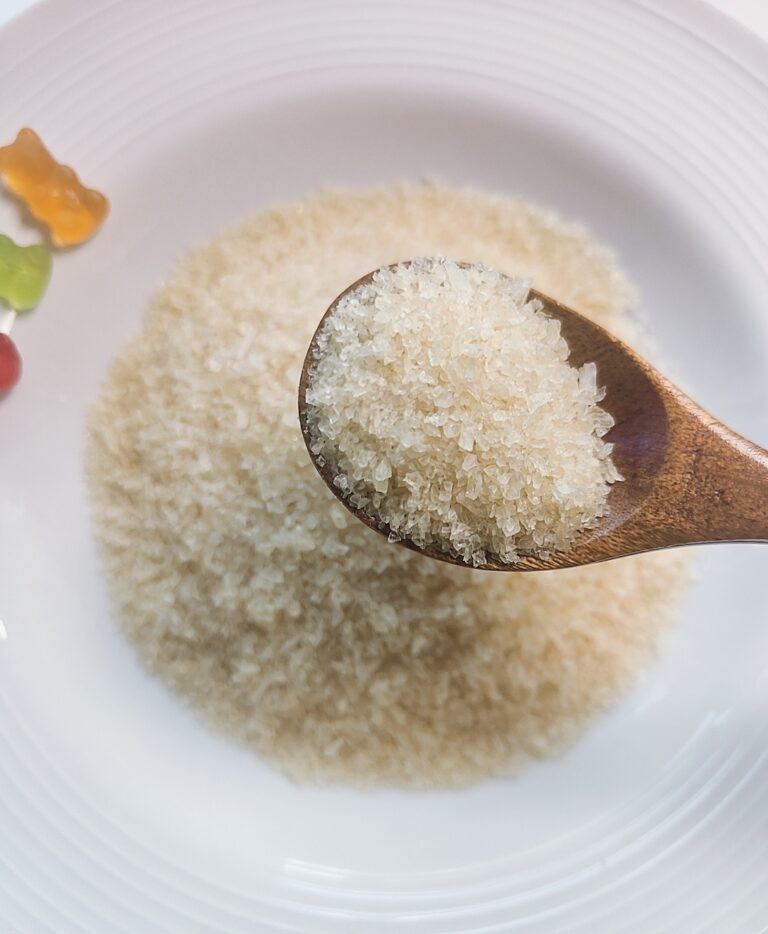
The physical properties of gelatin can help us differentiate between different grades of gelatin, assess its quality, and ultimately help us choose the most suitable gelatin specifications for our needs....

Gelatin, a natural protein derived from animal collagen, is a vital ingredient across multiple industries. This article explores its different types—classified by source and processing method—and highlights...

In the field of gelatin production, a set of efficient and well-suited equipment is crucial for ensuring product quality and production efficiency. Gelatin, as a key raw material widely used in numerous...
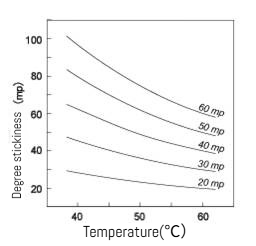
The decrease in gelatin viscosity refers to the phenomenon where the viscosity of a gelatin solution diminishes under specific conditions, such as temperature, pH, shear force, time, or chemical influence....
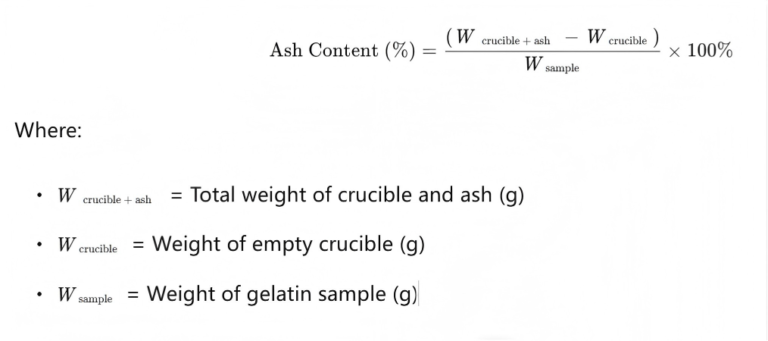
The primary method for detecting ash content in gelatin is incineration, which involves high-temperature combustion to decompose organic matter completely, leaving inorganic residues as ash. The detailed...

Ash content in gelatin refers to the mass percentage of inorganic residues—primarily inorganic salts and oxides—that remain after the gelatin has been completely combusted at high temperatures (typically...
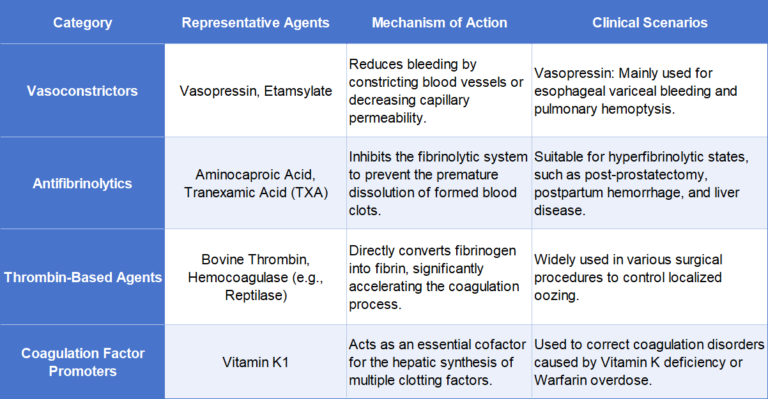
Effective hemorrhage control is a cornerstone of modern clinical medicine. Understanding the physiological pathways of hemostasis allows medical professionals to select the most appropriate hemostatic...
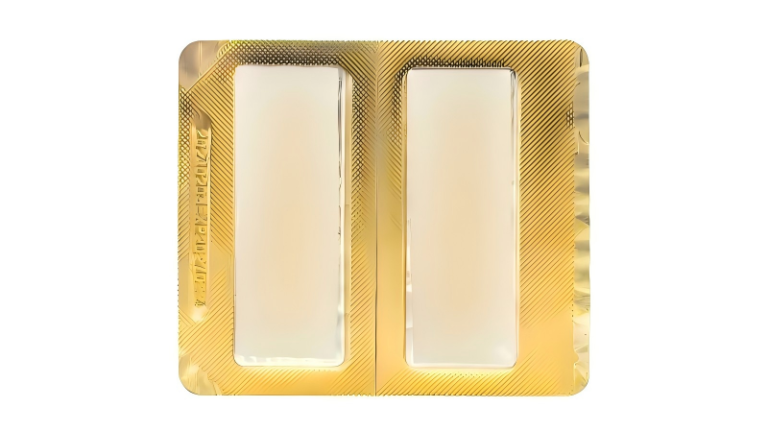
One of the most classic and extensive applications of gelatin in the medical field is the production of absorbable gelatin sponges for hemostasis in surgical operations. Composed primarily of gelatin,...

Hemostasis is the critical medical intervention for managing bleeding caused by trauma, surgery, and various diseases. Hemostatic agents, acting through diverse mechanisms, are indispensable therapeutic...

In the rapidly evolving cosmetics industry, the demand for natural, effective, and sustainable ingredients has never been higher. Gelatin, a protein derived from collagen, has emerged as a powerhouse ingredient...
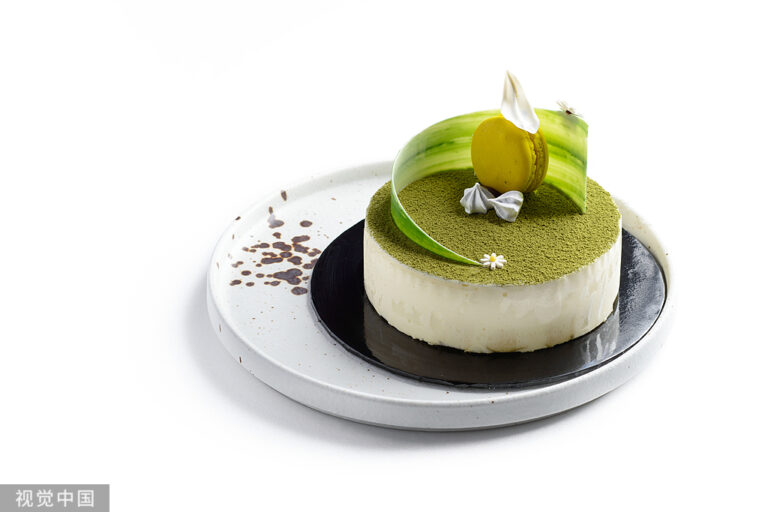
The silky lightness of mousse and the elastic support of gelatin form a match made in dessert heaven. From classic French patisserie layers to modern molecular gastronomy, their synergy creates unforgettable...
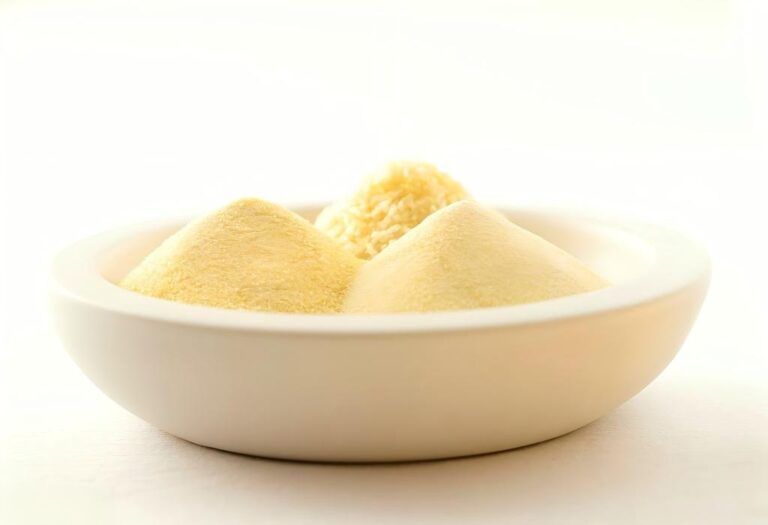
Gelatin ash refers to the mass percentage of inorganic residue remaining after complete combustion of a gelatin sample at high temperature (typically 550-600°C). These inorganic residues primarily originate...