

The silky lightness of mousse and the elastic support of gelatin form a match made in dessert heaven. From classic French patisserie layers to modern molecular gastronomy, their synergy creates unforgettable flavors. This article explores their properties, differences, and practical tips for perfect results.

- Gelatin: The “Invisible Scaffold” in Desserts
- Nature and Function
Source: Derived from animal collagen (e.g., cattle bones, pork skin), a natural protein gelling agent.
Key Traits:
Thermoreversible: Melts when heated, solidifies when cooled.
Neutral: Flavorless and transparent, ideal for fruits, chocolate, etc.
Substitutes: Agar-agar (algae-based), pectin, or carrageenan for vegans (note: texture is firmer but less elastic).
- Pro Tips
Blooming Ratio: 1g gelatin powder + 5g cold water (rest for 5 mins).
Dissolving Temp: Heat below 60°C to avoid breaking gelling power.
Troubleshooting:
Lumps? Insufficient blooming or direct high-heat exposure.
Too soft? Low gelatin ratio or incomplete chilling.
- Mousse: Balancing Air and Structure
- The Three Pillars
- Base: Chocolate, fruit purée, or cheese for flavor.
- Gelling Agent: Gelatin (typically 1-2% of liquid weight).
- Aeration: Whipped cream/egg whites for lightness.
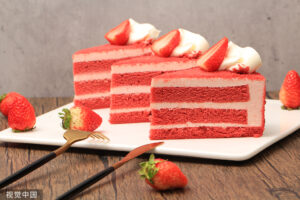
- Classic Recipe: Vanilla Strawberry Mousse
Ingredients: 200ml heavy cream, 150g strawberry purée, 30g sugar, 5g gelatin, vanilla extract.
Steps:
- Bloom and melt gelatin; mix into purée.
- Whip cream to soft peaks; fold into strawberry mix.
- Chill 4 hours; garnish with fresh berries.
III. Beyond Tradition: Creative Twists
- Flavor Innovations
Savory Mousse: Add cheese or smoked salmon purée as appetizers.
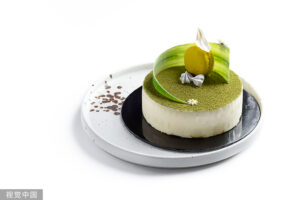
Tea-Infused: Matcha or Earl Grey bases with red bean fillings.
- Visual Appeal
Layered Gradients: Density-based rainbow mousse cups.
Mold Art: Geometric shapes with silicone molds + glossy glazes.
- Healthier Versions
Low-Sugar: Erythritol代替砂糖 + Greek yogurt.
Vegan: Coconut cream + agar-agar.
- FAQs
Q: Why does my mousse weep?
A: Insufficient gelatin or chilling; reduce fruit moisture by pre-cooking.
Q: How to stabilize mousse?
A: Add white chocolate (cocoa butter) or increase gelatin to 1.5%.
Conclusion
Mousse and gelatin blend science and artistry. Master their dynamics to elevate home baking or professional creations. Try our recipes or experiment boldly—share your results in the comments!