

In numerous industries like food, pharmaceuticals, and photography, gelatin is an extremely common and vital raw material. Among its various characteristics, gelatin viscosity stands out as a crucial one. It is like a magical key that unlocks the diverse application possibilities of gelatin in different fields. For us, whether we are practitioners in relevant industries or consumers, understanding gelatin viscosity and its significance is of utmost importance.
What is Gelatin Viscosity?
In simple terms, gelatin viscosity reflects the internal resistance that a gelatin solution exhibits during flow. Just like water flow, some water rushes smoothly and swiftly, indicating low “resistance,” while other water flows slowly and thickly, meaning high “resistance.” The same goes for gelatin solutions. Gelatin solutions with different viscosities show significant differences in flow characteristics, and these differences are precisely the key factors determining their application methods in various fields.
The Application Significance of Gelatin Viscosity in Different Industries

Food Industry: The Magical Regulator of Taste and Texture

In the world of food, gelatin viscosity plays a vital role. When we savor delicious jellies and soft candies, the chewy and smooth texture is largely attributed to high-viscosity gelatin. High-viscosity gelatin acts like a magical thickening master, endowing these foods with just the right degree of thickness, allowing us to feel a sense of full satisfaction when chewing. Conversely, in the juice clarification process, low-viscosity gelatin comes to the fore. It can more easily blend into the juice, effectively removing impurities and suspended solids, making the juice clear and translucent. This enables us to enjoy juice with a pure taste and an appealing color.
Pharmaceutical Field:
A Key Factor in Ensuring Drug Quality
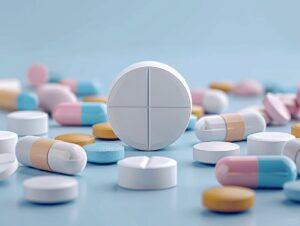
In the pharmaceutical field, gelatin viscosity is also not to be overlooked. Take the common capsule shells we see every day as an example. They require a specific viscosity to ensure good moldability and an appropriate dissolution rate. The right viscosity allows the capsule shells to be smoothly formed during the production process, maintaining a stable shape and structure. At the same time, after ingestion, they can dissolve in the body at the expected rate, ensuring that the drugs are released accurately and promptly to exert their optimal therapeutic effects. In this sense, gelatin viscosity is a crucial link in ensuring drug quality and efficacy.
Photographic Film:
The Unsung Hero Behind Perfect Images
For photography enthusiasts, the quality of photographic film directly affects the shooting results. High-viscosity gelatin plays a key role in the manufacture of photographic film. It can improve the uniformity of the coating of the photosensitive emulsion. Like a highly skilled painter, it evenly applies the photosensitive emulsion onto the film, ensuring that every part can accurately capture light. As a result, it presents us with clear, delicate, and high-color-reproduction perfect images.

The Subtle Relationships between Gelatin Viscosity and Other Characteristics
Gel Strength:
Not a Simple Positive Correlation
Many people may assume that the higher the viscosity of gelatin, the stronger its gel strength must be. In fact, this idea is not entirely accurate. Although high-viscosity gelatin generally has relatively high gel strength, this is not absolute. The gel strength of gelatin is also influenced by the degree of cross-linking of molecular chains. The higher the degree of cross-linking of molecular chains, the greater the gel strength tends to be. Therefore, when selecting gelatin, we cannot simply judge its gel strength based on viscosity alone; we also need to comprehensively consider factors such as the degree of cross-linking of molecular chains.
Transparency:
The Advantage of Low Viscosity
In application scenarios that require high transparency, low-viscosity gelatin is often more popular. The molecules in low-viscosity gelatin solutions are arranged relatively more loosely, resulting in less light scattering. Therefore, low-viscosity gelatin solutions often have better transparency. This gives it unique advantages in some food, pharmaceutical products, and photographic films that have high transparency requirements.
Although gelatin viscosity may seem like an abstract concept, it has a real impact on the taste of food, the quality of drugs, and the effect of photography. Understanding gelatin viscosity and its related characteristics can help us be more precise when selecting and using gelatin, thereby bringing better quality and performance to our products. I hope this article can give you a clear understanding of gelatin viscosity and enable you to handle its applications in relevant fields with greater ease.