

Gelatin ash refers to the mass percentage of inorganic residue remaining after complete combustion of a gelatin sample at high temperature (typically 550-600°C). These inorganic residues primarily originate from natural minerals in raw animal materials (such as bones and skin), as well as impurities introduced during processing, including acid/alkali treatment residues, bleaching agent remnants, and trace metal ions.
1. Composition of Ash
- Natural Minerals: Such as calcium, phosphorus, and magnesium, mainly derived from mineral components in the raw materials.
- Processing Residues: Including inorganic salts introduced during neutralization (e.g., sodium hydroxide, hydrochloric acid) and bleaching (e.g., hydrogen peroxide).
- Trace Metal Impurities: Possibly from production equipment, water sources, or raw materials, such as iron and copper ions.
2. Significance and Impact of Ash Content
Ash is a key indicator of gelatin purity. Excessive ash content can negatively affect gelatin’s transparency, gel strength, film-forming properties, and consequently its performance in various applications. Specific implications include:
- Purity Assessment: Lower ash content indicates higher purity of organic components and fewer inorganic impurities. Food-grade gelatin typically requires ash content ≤2% (complying with Chinese Pharmacopoeia standards).
- Reflection of Process Control: High ash content may indicate inadequate demineralization during processing or potential contamination risks in water quality or equipment.
- Application Suitability Limitations: Certain high-precision applications, such as pharmaceutical capsules, high-end cosmetics, and functional foods, impose strict ash control to ensure product stability and safety.
3. Testing Methods and Classification Standards
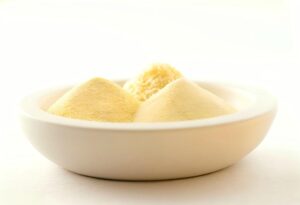
Testing Method:
The high-temperature ashing method is commonly used. The sample is placed in a muffle furnace and incinerated at approximately 800°C until organic matter is completely oxidized. The residue is the ash, and its mass percentage is calculated by weighing.
Classification Basis:
By Application
- Food-Grade Gelatin: Generally requires ash content ≤2%, with premium products controlled below 1%.
- Pharmaceutical Gelatin: Must comply with pharmacopoeial standards, typically requiring ash ≤2%, with stricter controls on other impurities.
- Industrial Gelatin: Relatively lenient ash requirements, generally ≤3% to 5%, depending on the specific use case.
By Ash Content
- Low-Ash Gelatin: ≤0.5%, suitable for pharmaceuticals, high-purity foods, and high-end cosmetics.
- Regular Gelatin: 0.5% to 2.0%, commonly used in general food products, candies, ice cream, and conventional cosmetics.
Ash content is a critical parameter affecting gelatin quality and applicability, with clear requirements across different industries. When selecting gelatin products, it is essential to refer to specific application needs and relevant industry standards to ensure the ash content meets production and quality requirements.
For more information on ash content standards and product specifications for various gelatin types, please contact us for detailed documentation and technical guidance.