

What is Gelatin Bloom Strength?
Gelatin Bloom value (or gel strength) is the core metric for measuring the gelling performance of gelatin, expressed in grams Bloom (g Bloom). It precisely reflects the firmness and elasticity of a gelatin gel under standard test conditions, indicating its resistance to external force. Essentially, the Bloom value represents the stability of the three-dimensional network formed by gelatin molecular chains through hydrogen bonds. A higher value signifies a stronger, more elastic gel structure and more reliable product quality.
For buyers in the food, pharmaceutical, and cosmetics industries, the Bloom value is the most critical technical parameter for selecting the right gelatin and ensuring the final product’s consistent texture.
The 3 Key Factors Affecting Gelatin Bloom Strength
1. Raw Material Source & Production Process
This is the fundamental determinant of gelatin’s base properties.
Differences in Raw Material Source:
- Bone Gelatin (Bovine): Typically offers a Bloom range of 200-300 g Bloom, known for its high strength and wide application.
- Skin Gelatin (Porcine): Offers a Bloom range of approximately 150-250 g Bloom, providing balanced performance. (We provide Halal gelatin, primarily sourced from bovine and fish. Please feel free to inquire.)
- Fish Gelatin: Due to different collagen structures, it has a wider Bloom range of about 50-200 g Bloom, suitable for specific market demands (e.g., Halal, Kosher, pescatarian).
Differences in Extraction Process:
- Alkaline Process (Type B): Produces gelatin with longer molecular chains and a more concentrated molecular weight distribution, generally resulting in higher gel strength.
- Acid Process (Type A): A milder process yielding shorter molecular chains.
2. Molecular Characteristics: The Intrinsic Determinant
Molecular Weight & Distribution:
High molecular weight gelatin (e.g., Bloom 300) forms a denser, more stable network due to longer chains and more potential cross-linking sites, making it significantly stronger than low molecular weight gelatin (e.g., Bloom 50).
Amino Acid Composition:
The content of proline and hydroxyproline serves as a natural “strength indicator.” Higher levels of these amino acids enhance the gelatin molecule’s ability to form stable helical structures and strong hydrogen-bonded networks, resulting in superior gelling properties.
3. Application Environment Conditions
Your specific usage conditions directly impact the final performance of the gelatin.
- Temperature: Gel strength is highly temperature-dependent. At lower temperatures (e.g., 5°C), the gel network is more stable, and strength can be nearly double that at room temperature (25°C). The storage and usage temperature of your product must be considered when selecting gelatin.
- pH Value: Gelatin gels have an optimal pH range (near the isoelectric point, pH 4.7-5.2) where gel strength peaks. Strongly acidic or alkaline environments disrupt electrostatic interactions between molecules, causing the gel network to break down and strength to drop drastically.
- Concentration: Higher concentration means more gelatin molecules per unit volume and stronger intermolecular interactions, leading to proportionally higher gel strength.
- Additives & Salts: Ions from salts in your formulation can interact with gelatin molecules, potentially interfering with or promoting network formation. Testing within your specific product is necessary.
The Relationship and Distinction Between Bloom Value and Other Properties
- Bloom Value vs. Viscosity: While high-Bloom gelatin often has higher viscosity, the two are not directly proportional. Through specific production processes (like cross-linking modification), specialty gelatin with “high strength, low viscosity” can be produced to meet specific flow requirements, such as in clarified juices or injections.
- Bloom Value vs. Melting Point: This is a strong positive correlation. A high Bloom value indicates a more stable, heat-resistant gel network.
Example: Bloom 300 gelatin can have a gel melting point as high as approximately 35°C, maintaining its shape at room temperature.
In contrast, Bloom 100 gelatin has a melting point around 25°C and melts more easily. This property is crucial for products like gummy candies or pastry decorations that require heat resistance.
How to Choose the Correct Gelatin Bloom Value for Your Product?
Selecting the appropriate Bloom value is key to balancing cost, processing, and final product texture.
- High Bloom Value (250-300+):
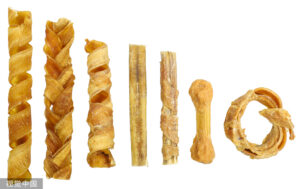
- Best for: Products requiring excellent elasticity, chewiness, and a high melting point, such as premium gummies, marshmallows, pharmaceutical capsules, and pet treats.
- Advantages: Relatively lower usage level, firm gel, good thermal stability.
- Medium Bloom Value (150-250):
- Best for: The most common application range, including caramels, mousses, yogurt, jelly desserts, and meat products.
- Advantages: Balanced performance, cost-effective, and widely adaptable to various processes.
- Low Bloom Value (50-150):
- Best for: Clarification, beer/juice stabilization, dairy thickening, and low-gel coatings. Also suitable for specific religious diets (e.g., Halal or Kosher certified fish gelatin).
- Advantages: Provides a smooth mouthfeel without a strong gel texture, with good solubility and dispersibility.

Our Professional Advice
As a professional gelatin supplier, we understand there is no “best” gelatin, only the “most suitable” gelatin. When procuring, be sure to:
- Define your end-product requirements: Are you aiming for a Q弹 (chewy) texture or a smooth, tender mouthfeel? Is high-temperature resistance needed?
- Confirm your process conditions: What is the production environment pH, sterilization temperature, and cooling condition?
- Conduct application testing: Sample testing is the most critical step for verifying gelatin batch consistency and suitability. You can purchase a small quantity for testing.
We offer a full range of gelatin products from 50 to 300 Bloom, sourced from bovine and fish, strictly complying with international food safety standards (ISO, Halal, Kosher). Our technical team provides one-on-one selection support to help you optimize formulations, reduce costs, and enhance your product’s competitiveness.
Contact us now to get the product brochure and find the most matched gelatin solution for your products!