

In Capsule manufacturing, pharmaceutical gelatin is the key material for empty capsules, which plays a crucial role as an important drug delivery system. Gelatin, a precious material derived from natural collagen, has become the preferred raw material for manufacturing empty capsules due to its unique physicochemical properties and biocompatibility. This article will delve into the core applications of gelatin in empty capsules, revealing the wide range of uses, significant advantages, and numerous health benefits that gelatin capsules offer, providing a comprehensive understanding of the profound science behind these small capsules.
Empty capsules are the main outer packaging material for capsule pharmaceutical preparations in the drug manufacturing industry. Empty capsules consist of two sections: a cap and a body, primarily used to contain solid medications such as homemade powders, health supplements, or pharmaceuticals. Empty capsules successfully solve the problems of difficulty in swallowing and unpleasant taste for patients, breaking the stereotype that “good medicine tastes bitter.”
So, we’ve encountered so many capsules, but do we know why the capsule shell is edible? What are its constituent materials? Is it harmful to the human body? Why are some medications made into capsules, and aren’t tablets better? Let’s unravel these mysteries and explore the world of capsule shells!
Preparation of Empty Capsules
Currently, the majority of pharmaceutical empty capsules worldwide are still of animal origin, with gelatin as the main component. Pharmaceutical gelatin is a white or light yellow solid produced from the collagen portion of animal skin or bones and other connective tissues through a series of processing and concentration steps. It is colorless and odorless, soluble in hot water, and possesses various properties such as gelation, water retention, and solubility. More than 95% of capsules in my country are also animal gelatin empty capsules. Since gelatin is so amazing, let’s take a closer look.
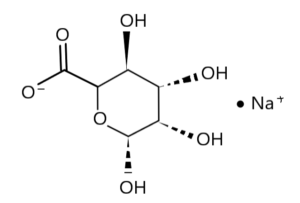
Chinese Name: Gelatin
English Name: Gelatin
CAS No.: 9000-70-8
Molecular Formula: C102H151O39N31
Molecular Weight: 10000–70000
Collagen molecules are helical structures formed by the intertwining of three polypeptide chains. Through processing, the collagen molecular helix denatures and decomposes into α-components (single polypeptide chains, α-chains), β-components (composed of two α-chains), and γ-components (composed of three α-chains), as well as molecular chain fragments between and smaller than the α-component or larger than the γ-component. Therefore, gelatin is a polydisperse system with a certain molecular weight distribution, which varies depending on the processing conditions and affects the physicochemical properties of the gelatin.
Why is it safe to consume?
Empty capsules are refined from pharmaceutical-grade gelatin as the main ingredient, along with pigments, thickeners, and plasticizers. However, gelatin, the main raw material, is suitable for microbial growth and easily contaminated by external microorganisms, such as pathogenic anaerobic bacteria, Staphylococcus aureus, Escherichia coli, Bacillus, and mold, causing spoilage, liquefaction, and deterioration of the gelatin solution. To address the problem of microbial contamination in empty capsules, most gelatin empty capsule manufacturers currently use ethylene oxide (EO) gas sterilization for finished empty capsules.
Although gelatin capsules have many advantages, they also have some drawbacks:
1) Due to the presence of aldehyde, imine, or ketone groups, the capsules are prone to cross-linking during storage, forming a stable gelatin network, which slows down the dissolution of the capsule and reduces its bioavailability.
2) Gelatin is derived from animal skin or bones, making it inconvenient for vegetarians.
3) The mechanical properties of soft capsule shells are easily affected by temperature and moisture – the addition of plasticizers to the capsule shell increases oxygen permeability and the transfer of water between the capsule shell and the capsule contents. Even a small change in moisture content can significantly affect drug dissolution.
4) Soft capsules also exhibit drug migration. Therefore, there is a need to find modified gelatin or gelatin substitutes to improve the shortcomings of gelatin capsules.
Alternatives to gelatin capsules include plant-based gums (konjac gum, gum arabic, etc.), microbial gums (xanthan gum, gellan gum, etc.), seaweed gums (carrageenan, alginates, etc.), and starch.