

In oral surgery and periodontal treatment, sponge-like biomaterials are indispensable consumables. However, many procurement specialists and dentists frequently confuse collagen sponges with gelatin sponges. Although the two appear similar in appearance, they possess fundamental differences regarding their bioactivity, molecular structure, and application rationale. As experts deeply rooted in the gelatin industry, we will provide you with an in-depth analysis of the distinctions between these two materials.
I. Origin and Molecular Structure: Natural Scaffold vs. Hydrolysis Product
Collagen Sponge:
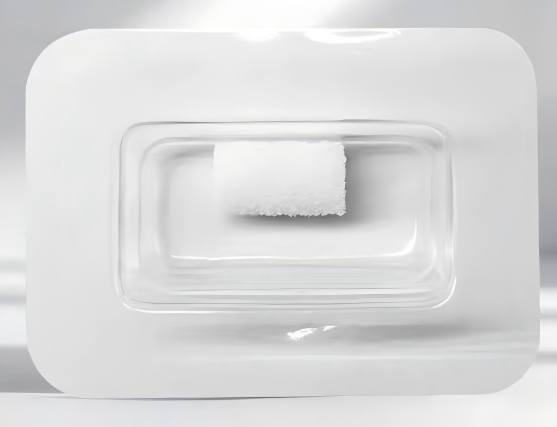
Nature:
A structural protein serving as the primary building block for human skin, bones, and ligaments.
Characteristics:
Retains its natural triple-helical structure, endowing it with exceptionally high bioactivity. It can directly recognize and activate cellular receptors, thereby inducing fibroblast growth.
Gelatin Sponge:
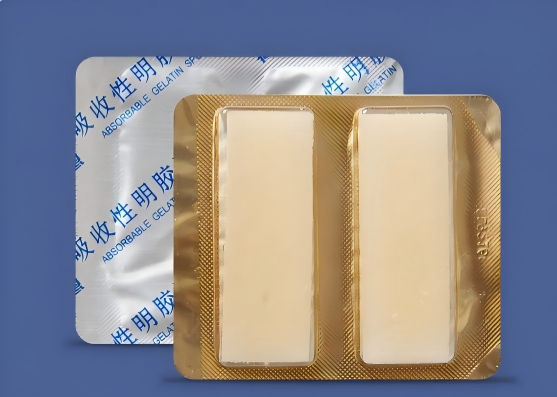
Nature:
Gelatin is a partial hydrolysis product of collagen, resulting from treatment with high heat or acid/alkali solutions.
Characteristics:
Its triple-helical structure has unraveled, transforming into randomly coiled peptide chains. It exhibits a broad distribution of relative molecular masses (ranging from tens of thousands to 100,000 Daltons); while it retains excellent physical properties, it has lost most of the bioactivity required to induce cellular growth.
II. Core Function Comparison: Tissue Repair vs. Physical Hemostasis
| Feature | Collagen Sponge | Gelatin Sponge |
| Primary Function | Promotes Regeneration | Guides tissue repair |
| Mechanism of Action | Acts as a cellular scaffold, adsorbing growth factors. | Rapidly swells into a gel upon absorbing blood, thereby sealing blood vessels. |
| Bioactivity | Extremely High: Accelerates wound healing and bone regeneration. | Low: Primarily utilized as a physical packing material. |
| Degradation Cycle | Slower: Provides medium-to-long-term support, degrading synchronously with tissue growth. | Faster: Typically absorbed by the body once its hemostatic function has been fulfilled. |
III. Specific Applications in Oral Healthcare
1. Collagen Sponges: Periodontal Regeneration and Implantology
Due to their exceptional bioactivity, they are primarily utilized for:
Guided Bone Regeneration (GBR): Assisting in the formation of new bone at extraction sites or implant placement areas.
Gum Surgery: Promoting soft tissue repair and minimizing tissue recession.
2. Gelatin Sponges: Routine Extractions and Rapid Hemostasis
Given their cost-effectiveness and excellent fluid absorption capacity, they are widely used for:
Routine Extractions: Filling the alveolar socket to prevent “dry socket” (alveolar osteitis).
Post-operative Hemostasis: Applied to any wound requiring immediate physical compression to control bleeding.
IV. Why Is Choosing a High-Quality Source Crucial?
In the field of oral healthcare, the traceability and control of material sources constitute the primary safeguard for patient safety.
Gelatin Sourcing: Inferior gelatin is often extracted from leather scraps, carrying a high risk of excessive chromium and heavy metal contamination. Professional medical-grade gelatin *must* be extracted from strictly regulated bovine hide or porcine skin. (BESTEETECH primarily utilizes bovine hide and bone sourced from pure, traceable origins.)
Consistency: Medical-grade gelatin sponges require a uniform pore size distribution to ensure consistent blood absorption—a quality that relies heavily on precise manufacturing process.
Conclusion
Simply put, if your primary need is a “hemostatic tool,” gelatin sponges offer the most cost-effective solution; however, if your goal is “wound healing and tissue reconstruction,” collagen sponges demonstrate irreplaceable biological advantages.
BESTEETECH TRADING (Gelatin Supply) is dedicated to providing high-purity, low-endotoxin, medical-grade bovine gelatin. We understand that for our healthcare clients, purchasing materials is not merely a transaction; it is an investment in the safety and well-being of their patients.