

Gelatin is a high-molecular-weight protein derived from collagen hydrolysis, typically composed of over 82% protein and approximately 16% water and inorganic salts. Its unique interaction with water—known as hygroscopicity—is the foundation of its functionality in food and pharmaceutical industries. Understanding these properties is crucial for maintaining product stability and performance.
I. Physical Characteristics: Swelling and Solubility
Hygroscopic Swelling: Unlike many powders, gelatin absorbs water and swells significantly at room temperature without the need for heat. This pre-hydration softens the granules.
Thermoreversible Gelation: Gelatin dissolves into a colloid when heated (typically above 40°C) and forms a firm gel when cooled below 35-40°C.
Note: Avoid heating above 100°C for extended periods, as thermal degradation can destroy its gelling ability.
Molecular Network: Gelatin’s molecular chains intertwine to form a stable network that traps water molecules, providing the unique “bite” in gummies and the barrier properties in capsules.
II. The Impact of Moisture on Performance
Moisture content is a critical quality indicator that directly correlates with other physical parameters:
- Viscosity: Excessive moisture can dilute the solution, leading to a decrease in apparent viscosity.
- Stability: High moisture content (over standard limits) accelerates microbial growth, oxidation, and clumping during storage.
Application Specifics:
- Capsule Shells: If moisture is too high, it accelerates gelatin oxidation, compromising drug stability. If too low, shells become brittle, leading to breakage during filling.
- Confectionery (Gummies): Moisture dictates elasticity. Too little results in a hard, unappealing texture; too much causes the candy to lose shape and become sticky.

III. Handling and Storage Best Practices
Because gelatin is highly hygroscopic, it is prone to spoilage if exposed to humidity.
- Dissolution Method: For best results, soak in cold water to allow swelling, then heat in a water bath (ideally below 70°C). Alternatively, stir directly into warm water (40-50°C).
- Storage: Must be stored in a cool, dry environment with moisture-proof packaging to prevent microbial contamination.
IV. Standardized Moisture Testing Methods
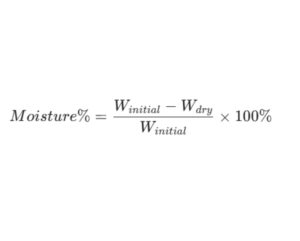
To ensure batch consistency, two primary methods are used to determine moisture content:
Oven Drying Method (The Standard):
- Principle: Measuring weight loss after heating under specific temperature and pressure.
- Key Procedure: Samples are pre-hydrated with distilled water, evaporated under an infrared lamp until near-dry, and then oven-dried to a constant weight.
- Precision Tip: Weighing must be rapid to prevent the sample from reabsorbing atmospheric moisture.
Karl Fischer Titration:
- Principle: A quantitative chemical reaction between the Karl Fischer reagent and water.
- Application: Preferred for high-precision requirements where rapid and highly accurate moisture determination is necessary.
Whether used as a thickener, a protective colloid, or a structural matrix, gelatin’s performance is inseparable from its moisture profile. At Besteetech, we strictly monitor moisture and ash levels to ensure our gelatin provides the stability and rheology required for your most sensitive formulations.
Want to read more? [Click here and leave your comments]