

One of the most classic and extensive applications of gelatin in the medical field is the production of absorbable gelatin sponges for hemostasis in surgical operations. Composed primarily of gelatin, this material possesses excellent biocompatibility and degradability, allowing it to be absorbed by the human body within 4-6 weeks. It accelerates the formation of blood clots by providing a physical scaffold for platelet adhesion and coagulation factor activation, while simultaneously absorbing blood and concentrating coagulation components, effectively controlling capillary oozing.
Beyond conventional surgeries, it is commonly used in dentistry for packing alveolar sockets post-extraction to prevent bleeding and promote healing. In specialized treatments, such as for bleeding in Little’s area of the nasal septum or arterial embolization for mid-to-late stage cervical cancer, gelatin sponges also play a crucial role. Historical records indicate that the concept and practice of using gelatin for hemostasis have a long-standing history.
Clinical Standard: Absorbable Gelatin Sponge
The most classic use of gelatin in the pharmaceutical field is the absorbable gelatin sponge. Primarily made of gelatin, the sponge is present in a gel or fluid state. This porous material is designed to provide a solid physical scaffold for platelet adhesion and coagulation factor activation.
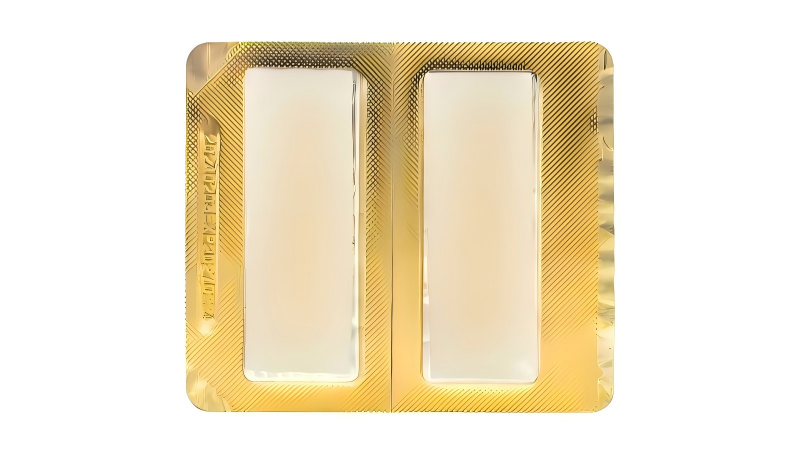
Compared to traditional sponges, absorbable hemostatic fluid gelatin represents a more advanced hemostatic technology.
- Mechanism of Action: The sponge rapidly absorbs blood, concentrates coagulation components, and accelerates the formation of a stable fibrin clot, thereby controlling capillary oozing.
- Biocompatibility: It is completely absorbed by the human body within 4 to 6 weeks, eliminating the need for secondary removal.
- Clinical Application Scope: In addition to general surgical procedures, it is a common material in dental surgeries (for filling alveolar sockets after tooth extraction) and special treatments such as arterial embolization for advanced tumors.
Next-Generation Innovation: Flowable Gelatin Matrix
Flowable gelatin matrix represents the pinnacle of modern hemostatic engineering, offering superior solutions for complex surgical environments. Unlike solid sponges, this liquid gelatin offers the following advantages:
- Superior Adaptability: Its fluidity allows it to fill irregular, deep, or narrow cavities that are difficult for traditional materials to reach (e.g., spinal surgical sites or neurosurgical tumor beds), adhering closely to bleeding points and providing a significantly larger contact area than solid materials.
- Enhanced Contact: It maximizes contact with the bleeding site, significantly reducing intraoperative blood loss and postoperative drainage in high-precision surgeries such as posterior lumbar surgery and total hip replacement.
- Absorbability: It is also completely absorbed in vivo, requiring no secondary removal.
Consequently, it has become an excellent solution for managing intractable oozing in spinal surgery, neurosurgery, and minimally invasive procedures.
Pioneering the Future: Composite Materials and Tissue Engineering
To meet the growing demands of regenerative medicine, current research focuses on gelatin composites:
- Hybrid Biomaterials: Combining gelatin with silk fibroin or cellulose allows for the preparation of aerogels that possess both mechanical strength and excellent hydrophilicity, while also providing sealing and healing properties.
- Growth Scaffolds: In tissue engineering, modified gelatin (via cross-linking) serves as a cell scaffold or drug delivery carrier. It can be loaded with growth factors or anti-inflammatory agents to achieve multifunctional effects: not only hemostasis, but also drug delivery and the promotion of tissue regeneration.
Versatility in Pharmaceutical Formulations
In addition to serving directly as a hemostatic material, gelatin has other significant uses in pharmacy.
- Encapsulation: It is the primary material for hard and soft gelatin capsules.
- Excipient Function: It serves as a reliable binder for tablets and a water-soluble base for suppositories and ointments.
- Rich Heritage: Historically, yellow gelatin derived from animal hide was recorded in Traditional Chinese Medicine (TCM) very early on for treating various blood-related conditions, such as deficiency labor with urinary essence, hematemesis (vomiting blood), hemoptysis (coughing up blood), and bleeding during pregnancy. It was believed to have the effects of nourishing yin and blood, stopping bleeding, and reducing swelling. Modern Chinese pharmacology also notes that gelatin (including other bone glues) has hemostatic and nutritional supplementary functions.
To learn more about the applications of gelatin in the pharmaceutical field, please click on the Gelatin Applications section.